The FDA Opened the Door For Rare Disease Patients — Here’s What It Takes to Walk Through It
The Plausible Mechanism Framework is a breakthrough. Turning it into treatments that reach families will take five things the framework doesn't provide.
Rocket Pharmaceuticals received the rare pediatric disease priority review voucher with the accelerated FDA approval for Kresladi in March. The non-dilutive capital from the voucher’s sale will support a pipeline that includes a gene therapy in pivotal clinical testing for the rare genetic disorder Danon disease.
FDA concerns about Amgen’s Tavneos were sparked by securities fraud litigation against ChemoCentryx, the company that originally developed the rare disease drug. The FDA wants to withdraw Tavneos’s approval, citing safety risks and alleged manipulation of the drug’s clinical trial data.
Novartis said its RNA therapy del-brax met goals of a Phase 1/2 study in facioscapulohumeral muscular dystrophy (FSHD), an inherited muscle disorder that currently has no FDA-approved medicines. Del-brax is one of three RNA therapies from Novartis’s $12 billion acquisition of Avidity Biosciences.
France-based pharma company Servier is acquiring the muscular dystrophy business of Edgewise Therapeutics as part of a revenue growth strategy in oncology and neurology. The deal brings an Edgewise drug in clinical development for two rare neuromuscular disorders with limited treatment options.
Regeneron Pharmaceuticals’ multiple myeloma drug linvoseltamab has clinical trial results showing complete responses in 90% of patients who have light chain amyloidosis, a rare blood disease. The preliminary data were presented during the annual meeting of the American Society of Clinical Oncology.
AbbVie drug Decnupaz received FDA approval for treating blastic plasmacytoid dendritic cell neoplasm, or BPDCN. This antibody drug conjugate came from AbbVie’s 2023 ImmunoGen acquisition.
A BioMarin Pharmaceutical drug met just one of two main goals of a Phase 3 test in a rare inherited enzyme deficiency with no FDA-approved therapies. The drug, a fusion protein, came from BioMarin’s 2025 acquisition of Inozyme Pharma.
Angelini Pharma’s acquisition of Catalyst Pharmaceuticals is part of a transformation strategy focused on neurological medicines. Catalyst’s top product is Firdapse, the first FDA-approved drug for a particular rare neuromuscular disorder.
Hemab Therapeutics and Seaport Therapeutics are the newest biotech companies to join the public markets, each with an upsized IPO. According to IPO research firm Renaissance Capital, April was the biggest month for biotech IPO proceeds in more than five years.
KalVista Pharmaceuticals brings to Chiesi Group the product Ekterly, the first FDA-approved oral drug for acute treatment of swelling attacks from the rare disease hereditary angioedema. Ekterly’s tablet formulation offers a dosing edge compared to injectable HAE medications.
Intellia Therapeutics’ lonvo-z uses CRISPR to inactivate a gene in the liver to reduce levels of a protein key to the swelling attacks from the rare disease hereditary angioedema. Intellia has filed a regulatory submission for this genetic medicine, which could become the first in vivo gene-editing therapy to land FDA approval.
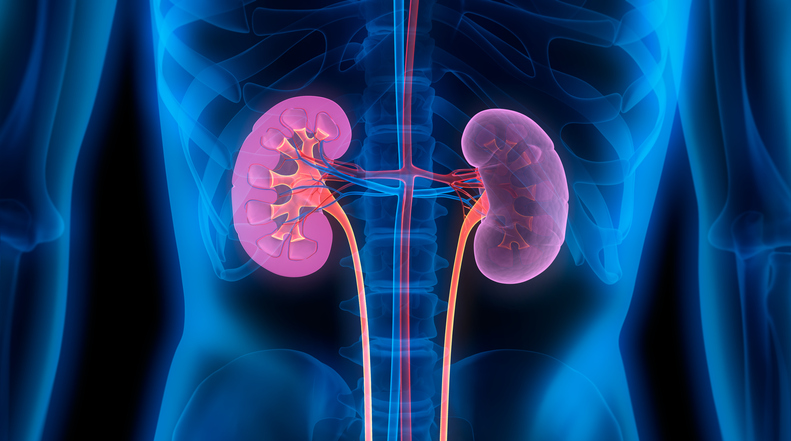
Travere Therapeutics’ Filspari is now the first FDA-approved drug for focal segmental glomerulosclerosis (FSGS), a rare kidney disease. Analysts project the pill will become a blockbuster seller.
Biogen’s Apellis Pharmaceuticals acquisition comes nearly two years after the drugmaker purchased immunology startup Human Immunology Biosciences. CEO Chris Viehbacher said Apellis accelerates Biogen’s expansion in nephrology, supporting a HI-Bio drug currently in pivotal testing for three kidney conditions.
Rocket Pharmaceuticals received FDA approval for Kresladi, a gene therapy developed to treat leukocyte-adhesion deficiency type 1, an inherited immunodeficiency that can become fatal to infants and young children. Kresladi is the first gene therapy for this ultra-rare disease and the first commercial product for Rocket.